First 10 minutes
Finish the tutorial, open Settings, check the Codes page, play Easy or Normal, and learn where your first run fails before spending everything.
Beginner start plan
Start Noob Tower Defense with a simple first 10-minute plan: finish the tutorial, check codes safely inside Roblox, pick a stable starter role, upgrade one useful damage unit, save Gems until you know your missing role, and avoid unsafe scripts or fake reward pages.
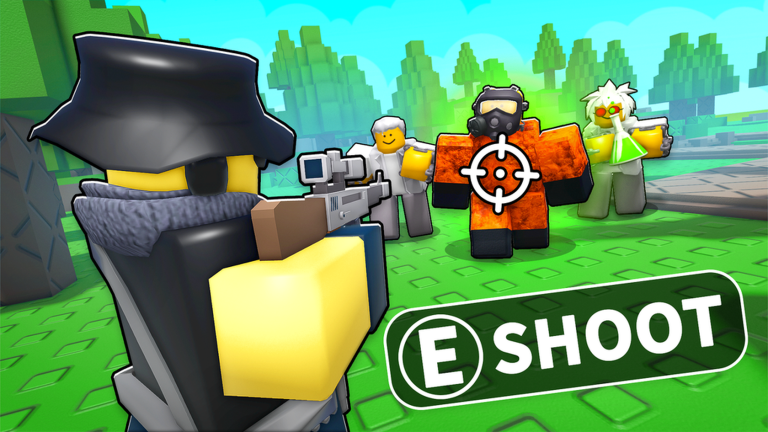
Finish the tutorial, open Settings, check the Codes page, play Easy or Normal, and learn where your first run fails before spending everything.
Choose a starter by early wave control, upgrade timing, and cash efficiency instead of rarity alone.
Save Gems for meaningful unit progress. Do not chase rare units, rerolls, or trade hype before understanding roles.
The best starter in Noob Tower Defense is not always the rarest unit. A beginner should first look for early wave control, clean upgrade timing, and cash efficiency, because those decide whether the first few waves become stable enough to learn from.
Before chasing a rare name, ask what your current team lacks. If groups leak early, choose wave clear. If stronger enemies survive too long, choose focused damage. If upgrades arrive late, fix spending and placement before changing every unit.
Gems should be treated as an account-growth resource, not as something to spend randomly after the first exciting pull or comment suggestion. Spend Gems only after you know whether your account needs damage, wave clear, support, or economy.
A good Gem decision starts with the failure point. If bosses end the run, look for damage. If groups leak, look for wave clear. If a strong carry already exists, support may matter. If long runs fail because upgrades are late, economy planning may be the next step.
Your first 10 minutes should not be about copying a late-game team. The goal is to unlock the basic flow, learn the menu, finish a simple run, and understand whether your first failure came from weak damage, poor placement, bad upgrade timing, or unsafe spending.
Do the simple path first: finish the tutorial, open Settings, check whether the in-game code box exists, then play an easier mode before chasing Hard, Expert, or Endless-style content.
Early upgrades matter more than rare-unit hype. A stable cheap unit upgraded at the right time can outperform a stronger-looking unit that you cannot afford to upgrade.
Upgrade the unit that is solving your current problem. If enemies are leaking early, upgrade early damage. If bosses survive too long, shift resources toward focused damage and timing.
A beginner loadout should be simple. You need one early damage option, one upgrade path that you understand, one backup answer for leaks or bosses, and only then a support or economy idea.
Do not copy a five-unit late-game setup if you do not understand what each slot does. A smaller role-based setup is easier to test and easier to improve.
Cash and Gems solve different problems. Cash should usually fix the current run: placements, upgrades, early leaks, and boss pressure. Gems should be treated as account progress and should not be burned just because a unit looks rare.
The safest beginner rule is simple: spend cash to keep the current run alive, save Gems until you know which unit role your account is missing, then use the tier list and units page before committing.
Most beginner mistakes come from moving too fast. Players chase rare units, copy end-game loadouts, upgrade the wrong slot, or trust unsafe code and script pages before understanding the basic run flow.
The fix is not complicated: make one change, test the same mode again, and only keep the change if it solves the failure point.
Do not chase every unit that appears in a tier list. Chasing units makes sense only after you know which role is blocking your progress. A boss problem needs different help from an early-wave problem or an economy problem.
Use the tier list to understand combat usefulness, the value list for trade-value context, and the units page for role descriptions. Do not treat trade value as the same thing as beginner usefulness.
The best first mode is the one that gives you enough time to learn without hiding your weakness. Easy is safest for learning menus and placement. Normal is better once you understand the first few waves. Hard, Expert, and Endless-style attempts should wait until your opening and upgrade timing are stable.
If a mode feels impossible, do not immediately blame your units. Check whether your first placement, upgrade timing, or cash spending is creating the failure.
Upgrade priority should answer one question: what will make the next wave safer? Beginners often lose because they spread cash across too many units, upgrade support before damage, or save too much while enemies leak.
A practical order is to stabilize early damage first, add or upgrade support only when it affects real damage, then invest in economy or long-run scaling after the opening is safe.
Your first week should be about building a stable account, not gambling on every new rumor. Gems are harder to replace than run cash, so spend them only after you know which unit role gives the largest improvement.
Before spending, compare your current account against three questions: are you losing to early waves, bosses, or long-run income? The answer should decide the next unit goal.
Use this checklist before ending your first session. It turns the first run from random play into useful data for your next loadout decision.
If you cannot answer these questions yet, play one more simple run before chasing codes, units, trades, or advanced modes.
A video can help if it shows opening placement, upgrade timing, and first-wave decisions clearly. Do not copy a video only because the final team looks strong. Watch how the run starts and where cash is spent first.
Use the videos below as support for the written checklist, not as a replacement for role-based planning. Pause on the opening placements, first upgrade order, and the wave where the run becomes stable.
Video support
Related guides
Check safe code status before looking for rewards.
Understand combat usefulness before spending Gems.
Review unit roles before chasing rare units.
Turn beginner priorities into practical teams.
Try stricter routes only after early waves become stable.
Treat long-run planning as a later test, not a first-session goal.
Learn why map length and path shape change your setup.
Understand which enemy type is ending your run.
FAQ
Finish the tutorial, check codes only inside Roblox, play an easier mode, and identify whether your first failure comes from damage, placement, cash, or upgrade timing.
The safest beginner framework is one early DPS, one stronger damage or boss-pressure option, one wave-clear or range answer, and support or Farm only after the opening defense is stable.
Not always. A cheaper unit that you can afford to place and upgrade may help more than a rare unit that does not fit your current account stage.
Spend Gems only after you know which role you need: wave clear, boss damage, support, or economy. Do not spend Gems only because a unit is rare or popular.
Start with Easy to learn placement and menus, then move to Normal once your first few waves are stable. Hard, Expert, and Endless-style attempts should wait.
Use Farm only when your opening defense can survive long enough for economy to pay back. If you are leaking early, stabilize damage first.
The biggest mistake is changing too many things at once. Change one unit, upgrade path, or placement choice, then test the same problem again.
Copied loadouts are useful only if you understand each role and the guide is current. A late-game team may fail on a new account with weaker upgrades.