Combat first
Ranks focus on practical usefulness in waves, bosses, support timing, and loadout planning.
Combat tier list
Use this Noob Tower Defense Tier List for combat strength, wave planning, boss pressure, support roles, and loadout decisions. The Value List is for trade value and scarcity, while this Tier List is for fighting and team planning.
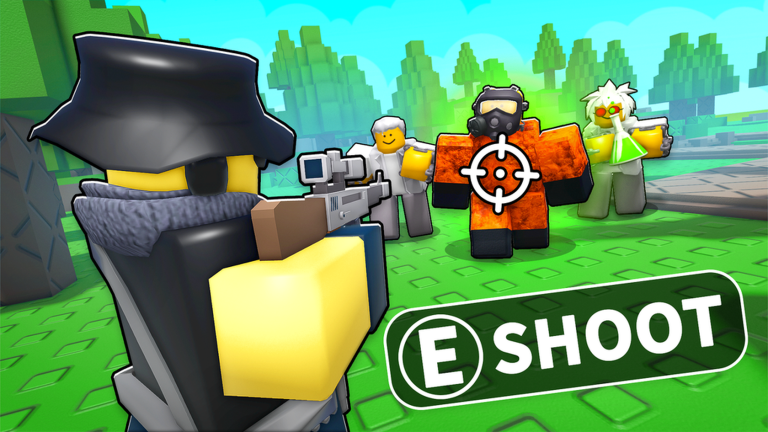
Ranks focus on practical usefulness in waves, bosses, support timing, and loadout planning.
Exact DPS, prices, drop rates, upgrade counts, and trade values stay out unless verified.
Tier List means battle strength and role fit. Value List means trade value and scarcity.
Last Updated
2026-06-16
This Noob Tower Defense Tier List ranks units by how useful they are in combat, not by trade demand or rarity alone.
The goal is to help players decide what role their team is missing before spending resources or copying a late-game loadout.
Video
Tier Table
The table uses role-based tiers instead of unverifiable stat tables. Treat each tier as a planning shortcut, then test the unit in your own maps and waves.
If a unit is valuable for trading but weak in your current team, the Value List may rank it differently from this combat Tier List.
Unit Notes
These notes cover high-interest units without adding unverified damage, cost, drop-rate, or trade-value numbers.
Use each note to decide what to test next, not as a permanent verdict after every update.
Role: DPS carry and boss-pressure candidate.
Best use: Use when your team needs a main damage anchor for tougher waves.
Weakness: Can be inefficient if rushed before early defense and economy are stable.
Loadout note: Pair with economy or support only after the team can survive early waves.
Role-based noteRole: Support and team-scaling candidate.
Best use: Use when your damage units already exist and need stronger team value.
Weakness: Low solo impact if the rest of the team cannot deal enough damage.
Loadout note: Place King around a clear damage plan instead of treating support as the whole strategy.
Role-based noteRole: DPS utility candidate.
Best use: Use when a team needs flexible pressure or utility-style damage.
Weakness: Needs testing against current maps before assuming it beats a pure carry.
Loadout note: Compare Hacker with Railgunner or Juggernaut based on the exact role your team lacks.
Role-based noteRole: Long-range DPS candidate.
Best use: Use for lanes or maps where range and focused pressure matter.
Weakness: May not solve every wave-control problem if groups overwhelm the path.
Loadout note: Support Railgunner with wave control or economy if bosses are not the only issue.
Role-based noteRole: Support-oriented role piece.
Best use: Use when the team needs stability or a practical support slot.
Weakness: May not replace a true carry when the team lacks damage.
Loadout note: Treat Veteran as a role fit check, then pair with a clearer damage anchor.
Role-based noteRole: Support and timing helper.
Best use: Use when a run needs better team rhythm, support value, or late-wave stability.
Weakness: Support value is wasted if the rest of the team is weak or poorly placed.
Loadout note: Add Musician after your damage and economy plan already has a clear job.
Role-based noteRole: Economy unit.
Best use: Use for longer runs where extra income can support stronger upgrades later.
Weakness: Can weaken early defense if too many resources go into economy first.
Loadout note: Use Farm only when the team can survive while investing in income.
Role-based noteRole: Starter DPS and practical early-game option.
Best use: Use when a beginner or mid-game account needs stable damage before rare units.
Weakness: May need replacement or support when boss pressure becomes the main problem.
Loadout note: Keep Slimegunner if it stabilizes early waves, then upgrade the slot only after a better role is confirmed.
Role-based noteBeginners should use the Noob Tower Defense Tier List to find stable units that solve early waves, not to chase rare names they cannot support yet.
Mid-game players should compare missing roles. If your team loses to bosses, look for boss pressure. If groups leak, look for wave control. If upgrades arrive too late, check economy fit.
Advanced players should use the tiers as a testing queue. Swap one unit at a time so you can see whether the change actually improved the run.
The best unit depends on the role that is missing from your current loadout. Use this section before chasing a rare unit or copying a team from a video.
This role list is not a stat table. It does not claim exact DPS, cost, upgrade count, drop rate, or trade value.
Tier List means combat strength, team planning, role coverage, beginner usability, boss damage, wave control, support value, and economy fit.
Value List means trading value, scarcity, demand, and what other players may be willing to give for a unit. A unit can be valuable in trades without being the best combat pick for your current loadout.
Use the Value List when planning a trade. Use this Noob Tower Defense Tier List when planning a fight.
Internal Links
Check unit roles before applying rankings.
Turn tier choices into practical team setups.
Test ranking choices against stricter pressure and upgrade timing.
Prepare long-run units without trusting unverified claims.
Use trade value guidance separately from combat rankings.
Review current reward-code status before spending resources.
Match unit roles to map shape and wave pressure.
Plan around the enemy pressure your loadout must answer.
Improve long-term progression after choosing a stable unit core.
FAQ
There is no single verified best unit for every account and map. A top pick depends on the role you need, such as boss damage, wave control, support, or economy.
Boss damage usually needs focused DPS, wave clear needs group control, support needs a carry to improve, economy needs Farm-style timing, beginner stability needs affordable early damage, and late-game carry roles need the rest of the team to be ready first.
Juggernaut is treated as a top combat candidate because it fits a main damage role, but exact ranking still depends on current gameplay evidence, support pieces, and map needs.
King and Hacker solve different jobs. King is a support and team-scaling candidate, while Hacker is a DPS utility candidate. The better choice depends on what your loadout is missing.
Yes, but beginners should follow it by role. Pick stable early damage and simple team structure before chasing rare or expensive units.
No. This Tier List is for combat strength and loadout planning. The Value List is for trade value, scarcity, and demand.
No. Farm helps economy only when your team can survive while investing in income. On shorter or unstable runs, direct defense may matter more.
Review it after new units, balance changes, major Roblox update timestamps, new maps, or reliable gameplay evidence that changes unit roles.