Enemy counters
Noob Tower Defense Enemies
Use this Noob Tower Defense enemies guide to understand standard waves, boss waves, invisible enemies, fast pressure, armored enemies, Endless Mode threats, and safer counter planning. This page avoids unverified health, speed, wave, and drop-rate numbers.
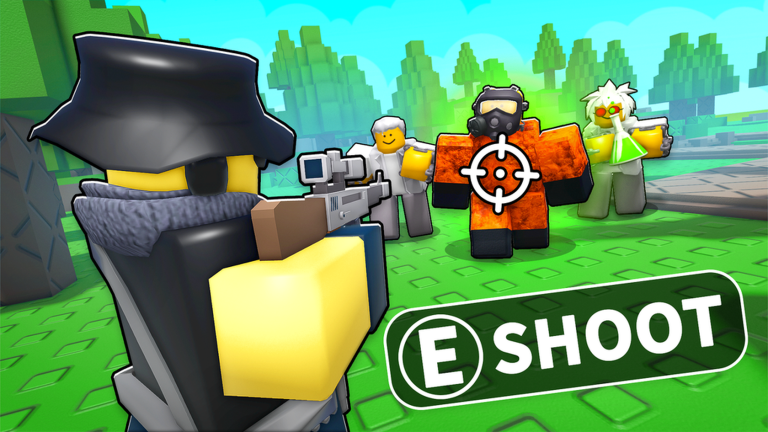
Enemy types
Separate standard waves, boss waves, invisible enemies, fast enemies, armored pressure, and Endless scaling before choosing units.
Failure diagnosis
Use the failure table to decide whether your problem is early damage, wave clear, boss damage, detection, placement, or scaling.
Data safety
Enemy strategy can be useful without inventing exact wave numbers, HP values, speed values, or reward claims.
Enemy Types
Noob Tower Defense Enemy Types
Start by identifying the threat. The same unit can feel strong or weak depending on what kind of enemy pressure the map creates.
Enemy TypeWhat to KnowBest CounterStatus
Standard wavesLarge groups that test early DPS and clean placement before your economy is ready.Cheap DPS, AOE, and upgrades placed on long path coverage.Core
Boss wavesHigh-health threats that punish loadouts built only for clearing small enemies.Boss DPS, support value, and focused upgrade timing.Important
Invisible enemiesHidden threats that can leak even when your visible wave control looks stable.Detection units and coverage that can actually target invisible enemies.High risk
Fast enemiesSpeed pressure that can break short maps or poorly placed early units.Slows, early DPS, and better choke-point placement.Map dependent
Armored or high-health enemiesEnemies that survive normal wave clear and reveal whether your upgrades are underfunded.Focused DPS, support timing, and avoiding too much early economy greed.Role check
Endless scalingLater pressure that stacks wave control, boss damage, detection, and economy checks.Balanced loadout planning instead of one-unit reliance.Season dependent
Failure diagnosis
Why Your Defense Fails Against Enemies
Do not rebuild the whole team after one loss. First identify the failure pattern, then change the role that answers that pattern.
Failure symptomLikely causeFixNext page
Enemies leak during the first wavesOpening defense is too weak or Farm is placed too earlyAdd cheap DPS first, delay Farm, and upgrade before chasing late-game units/beginners-guide/ Small enemies stack into a groupSingle-target damage is fine, but wave clear is missingAdd AOE, splash, or better corner placement instead of only upgrading one carry/units/ Boss reaches the exit with small enemies already clearedThe team lacks focused boss damage or support timingUse a boss DPS plan, upgrade before the boss wave, and add support only when it improves uptime/tier-list/ The lane looks stable but enemies still pass throughInvisible enemies or detection coverage may be missingCheck whether your units can target invisible enemies and place detection across long useful path sections/units/ Fast enemies break through on short routesPlacement and slow coverage do not create enough attack timeMove DPS to better corners, add slows if available, and choose maps your current team can control/maps/ Runs collapse later even with a strong early setupEndless or harder-mode scaling is testing several roles at onceBalance early DPS, economy, boss damage, detection, and support instead of relying on one unit/best-loadouts/ Standard Wave Enemies
How standard waves pressure your defense
Standard waves look simple, but they decide whether your early economy has time to scale. New players often lose because they greed Farm or late upgrades before the lane is stable.
Best counters for standard waves
- Use early DPS before saving too heavily for economy.
- Add AOE when small enemies start stacking.
- Place units on corners, long paths, and choke points.
- Use the Maps Guide to understand route pressure.
Boss Waves in Noob Tower Defense
Why boss waves need a different loadout
Boss waves punish teams that only clear small enemies. They need focused damage, upgrade timing, and support value. A unit can be good for standard waves and still be weak against bosses.
Boss-wave loadout strategy
Use role-based planning around units such as Juggernaut, King, Railgunner, Hacker, Veteran, Musician, Farm without inventing exact DPS or cost values.
- Keep at least one boss DPS plan in your team.
- Use support units when they improve total damage uptime.
- Do not rely only on Farm when a boss wave is near.
- Compare combat roles on the Tier List.
Invisible Enemies in Noob Tower Defense
Why invisible enemies cause sudden losses
Invisible enemies can make a defense look stable until the wrong unit ignores the wave. The problem is not always damage. It is often missing detection coverage.
How to handle invisible enemies
- Check whether your units can target invisible enemies.
- Place detection where it covers the longest useful path section.
- Do not spend every upgrade on units that cannot hit the invisible wave.
- Use the Units Guide before committing to a run.
Fast and Armored Enemies
Why speed and health need different answers
Fast enemies reduce attack time. Armored or high-health enemies expose whether your upgrades and focused damage are strong enough. These are different problems, so one counter may not solve both.
How to adjust
- For fast enemies, improve placement, coverage, and slow support where available.
- For high-health enemies, improve focused DPS and support timing.
- Do not use exact speed or health claims unless they are verified in-game.
- Use Best Loadouts to balance roles.
Noob Tower Defense Endless Mode Enemies
How Endless Mode changes enemy pressure
Endless Mode pressure is not just normal waves repeated forever. Later runs can stack wave control, boss damage, detection, economy, and support checks into one loadout problem.
Endless enemy preparation
- Stabilize early waves before scaling economy.
- Reserve a boss DPS answer for high-health threats.
- Keep detection in the plan if invisible enemies appear.
- Use a balanced team instead of one-unit dependence.
- Compare team shapes on Best Loadouts.
Unit roles
Enemy Problems and Unit Counter Roles
This table connects enemy pressure to the unit role you should look for. It does not claim exact best-in-slot units without current proof.
Enemy problemRole neededUnit examplesCaution
Grouped enemiesWave clearAOE or splash candidates where availableDo not publish exact splash radius or damage unless verified in-game.
Boss enemiesFocused DPSJuggernaut, Railgunner, Hacker, or another carry candidateJudge boss performance by repeated run outcomes, not copied DPS numbers.
Invisible enemiesDetectionDetection-capable units after current version checksA strong unit is still weak here if it cannot target invisible enemies.
Fast enemiesSlow, range, or early coverageSlow support plus stable early DPSFast pressure is map dependent, so test placement before blaming the unit.
Late scalingBalanced rolesFarm, support, boss DPS, and wave clear used togetherFarm helps only if the team survives while income ramps.
Counter Strategy
Noob Tower Defense Enemy Counter Strategy
Use this table for quick decisions when a run fails for a specific enemy reason.
Wave SituationRecommended SetupWhy
Early weak wavesCheap DPSStabilizes the lane before Farm or late upgrades can pay off.
Many small enemiesAOE and wave controlPrevents quantity pressure from overwhelming single-target units.
Boss waveBoss DPS and supportSustained focused damage matters more than generic clearing.
Invisible waveDetection coverageUnits without detection may ignore the threat entirely.
Fast waveSlow plus DPSMore path time means more attacks before enemies exit.
Endless late phaseBalanced loadoutEndless pressure usually punishes single-purpose teams.
Pre-Run Enemy Preparation Checklist
Before starting a harder map or Endless run, check whether the loadout answers more than one enemy problem.
- Do you have early DPS for the first pressure wave?
- Do you have boss DPS for high-health targets?
- Do you have detection if invisible enemies appear?
- Do you have AOE or wave control for grouped enemies?
- Do you have support value instead of only raw damage?
- Do you have an economy plan that does not cause early leaks?
- Does the map have short paths, split lanes, or weak choke points?
- Is your loadout too dependent on one unit or one enemy type?
Units Guide
Check unit roles, detection notes, support value, and upgrade planning before choosing counters.
Tier List
Compare combat usefulness, boss damage, wave control, and beginner usability.
Best Loadouts
Build early, boss, Farm, balanced, and solo-oriented teams around enemy pressure.
Maps Guide
Use map pathing, choke points, and lane length to place enemy counters better.
Codes Guide
Check safe code status before spending rewards on unit progress or upgrades.
Tower Mastery
Improve tower role understanding before pushing harder enemy waves.
FAQ
Noob Tower Defense Enemies FAQ
What are the main enemy types in Noob Tower Defense?
The main enemy situations are standard waves, boss waves, invisible enemies, fast enemies, armored or high-health enemies, and Endless scaling pressure. Exact values should be checked in-game because updates can change enemy behavior.
How do I beat invisible enemies?
Use units with detection and place them where they cover a long path section. A strong unit that cannot target invisible enemies will still fail that wave.
Are boss enemies harder than standard waves?
Boss enemies are harder in a different way. Standard waves test wave clear and early stability, while boss waves test sustained focused damage and upgrade timing.
What units are best against enemies?
The best unit depends on the enemy type. Boss waves need boss DPS, grouped waves need AOE, invisible waves need detection, fast waves need placement or slow support, and late Endless runs need a balanced loadout.
Why do I lose even when my best unit is upgraded?
One upgraded unit may solve only one enemy type. If the run fails to invisible, fast, grouped, or boss pressure, the problem is role coverage rather than the unit name.
Is the enemy guide the same as a tier list?
No. This enemy guide explains threats and counters. The tier list ranks units by combat usefulness and role fit. Use both pages together.
Should I use the same loadout for every enemy wave?
Not usually. A loadout that clears standard waves may still fail to bosses, invisible enemies, fast enemies, or late Endless scaling.