Best Loadouts
Noob Tower Defense Best Loadouts
Noob Tower Defense best loadouts should start with roles, not hype. Use this guide to plan early-game teams, boss damage setups, Farm economy builds, balanced loadouts, Endless-style runs, Hard Mode attempts, and placement decisions without relying on unverified damage numbers.
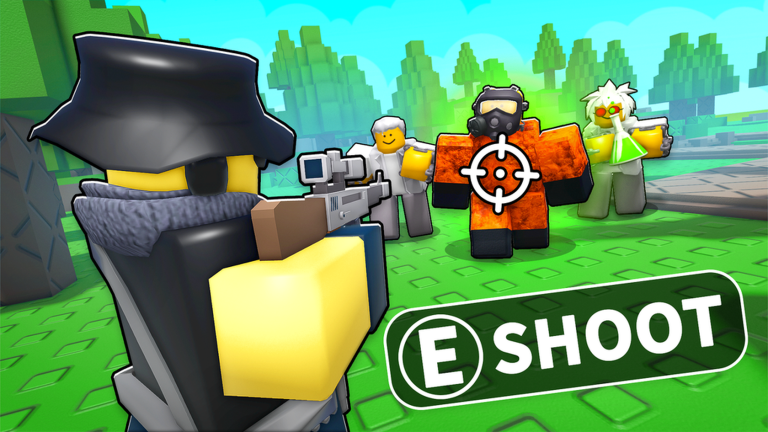
How to build a Noob Tower Defense loadout
A strong Noob Tower Defense loadout is a role system. It needs a main carry, enough early wave control, economy only when the map gives enough time, and support only when the damage unit can actually benefit from it.
No single guaranteed best team should be treated as universal proof. This page avoids fake exact DPS, guaranteed best-in-slot claims, and copied stat tables. Treat each build as a testing framework: change one slot at a time, record what failed first, then adjust the role that fixes that failure.
Core slot framework
Start with the job each slot must solve. A rare unit is not useful if it does not fix your current leak, boss, or economy problem.
- Carry slot: the unit expected to solve most wave or boss pressure.
- Second DPS slot: backup damage for bosses, flyers, or dense waves when one carry is not enough.
- Economy slot: usually Farm-style planning, only when the run is long enough to pay back.
- Support slot: used after the carry is already worth supporting.
- Flex slot: changes by map, enemy type, difficulty, and account stage.
One-change testing rule
If you change carry, support, economy, placement, and upgrade timing at the same time, you cannot know what worked. Swap one slot, test the same problem, then decide whether the new role helped.
Failure-point checklist
A good loadout is the one that fixes the first failure point. Record whether the run failed to early leaks, boss health, upgrade cost, enemy type, or map shape before copying a final team name.
- Early leak means the opener or placement needs work before Farm greed.
- Boss survival means focused damage and upgrade timing matter more than another wave-clear slot.
- Late upgrade timing means economy should be tested only after the opening is stable.
Which Noob Tower Defense loadout should I use?
Choose a loadout by the problem ending your run, not by a copied final team. A beginner problem needs early stability, a boss problem needs focused damage, and a long-run problem often needs economy only after the opening is safe.
Use this decision table as a role framework. It is not an exact placement script and does not claim one guaranteed best loadout for every map, account, or update.
Loadout decision table
Player problem → recommended loadout type → core roles → mistake to avoid → next guide.
- Early leaks: beginner loadout. Core roles: cheap early DPS, wave control, one backup damage slot. Avoid adding Farm before the lane is stable. Next: /beginners-guide/ and /units/.
- Boss survives: boss loadout. Core roles: focused DPS, support that affects the carry, pre-boss upgrades. Avoid filling every slot with general wave clear. Next: /tier-list/ and /enemies/.
- Upgrades arrive late: Farm economy loadout. Core roles: stable opener, Farm after safety, carry upgrade path. Avoid greedy economy on short or unstable maps. Next: /maps/ and /units/.
- Unknown failure point: balanced loadout. Core roles: carry, backup DPS, support, economy, flex. Avoid changing several slots at once. Next: /maps/ and /enemies/.
- Hard Mode pressure: Hard Mode loadout. Core roles: early-to-mid DPS, delayed Farm, support timing, late carry only when affordable. Avoid late-game names that do not survive the opening. Next: /hard-mode/.
- Long-run scaling: Endless-style loadout. Core roles: early stability, economy, boss DPS, support, detection or special answer when needed. Avoid assuming one video build fits every update. Next: /endless-mode/.
Early game framework
The early game framework is for players who still lose before their main setup comes online. It should stop early leaks before chasing expensive late upgrades.
Use simple damage first, then add economy only after the first leak point is under control. If early enemies reach the base before your economy pays back, the loadout is too greedy.
Early slots
Use this structure when your account still lacks a stable carry or when a new map exposes early leaks.
- Starter DPS: affordable damage that can cover the first waves.
- Emergency wave clear: a unit or upgrade that catches grouped enemies before they leak.
- Farm: add only after the opening defense holds without panic spending.
- Flex: replace with a map-specific answer if fast enemies or flyers become the first failure point.
Why it works
This framework sacrifices some late-game greed to make the first run stable. Stability gives you time to learn where cash, upgrades, and placements actually matter.
Boss wave framework
A boss wave framework is for runs where normal enemies are manageable but a high-health target ends the run. The mistake is filling every slot with general wave clear when the failure is focused damage.
Boss planning should still be map-aware. Long lanes and turns may give a ranged carry more time, while short maps may require earlier upgrades instead of late economy.
Boss wave slots
Use this structure when regular waves are stable but a boss, mini-boss, or high-health enemy breaks the run.
- Carry DPS: one main boss damage role instead of many under-upgraded units.
- Second DPS: backup damage if the boss survives after the main carry ramps.
- Support: only useful if it improves the unit actually hitting the boss.
- Economy: useful when the map gives enough time to pay back before the boss wave.
- Flex: swap based on boss path length, enemy speed, or crowd pressure.
What to avoid
Do not publish or trust exact boss-kill math without current in-game proof. Use the framework to test the same wave again after changing one role.
Farming framework
A Farm economy framework is useful only when the run lasts long enough for income to matter. On shorter maps or unstable starts, early Farm pressure can create leaks before the economy pays back.
The safest Farm plan is conditional. Add economy after the first defense layer is stable, then compare whether the extra income improves boss damage, upgrades, or late-wave control.
Farm slots
Use this framework when your damage is stable but you cannot afford the upgrades needed for later waves.
- Hold the first DPS slot for a unit that can survive the opening without full economy support.
- Use Farm only after early leaks are controlled.
- Spend income into the carry first, then support or flex roles.
- Do not copy a late-game Farm setup if your map or account cannot survive the first waves.
- Track whether Farm improved the run or only delayed needed damage.
Balanced framework
A balanced Noob Tower Defense loadout is the safest default when you do not yet know which problem matters most. It should cover early waves, boss pressure, economy timing, and one flexible answer for map or enemy differences.
Balanced does not mean every slot has equal value. It means every slot has a job that is visible during the run.
Balanced slots
Use this as a starting template before you optimize for one specific mode or map.
- Carry: main damage role for the run.
- Second DPS: backup damage when the carry is not enough.
- Support: only after the damage role is already online.
- Economy: Farm or income when the map gives enough time.
- Flex: map, enemy, or difficulty-specific answer.
Endless Mode loadout framework
Endless Mode searches usually come from players who want scaling, income, and repeatable long-run planning. This page does not claim one guaranteed team can clear every update state or account stage.
For Endless-style testing, record the first failure point. If the first failure is early leaks, fix early damage. If it is boss pressure, fix focused DPS. If it is income, test whether Farm timing helps without breaking the start.
Endless slots
Use this framework for long runs where early stability, economy timing, and late scaling all matter.
- Carry DPS: the unit expected to remain useful after early waves.
- Economy: Farm or income support once the opening is stable.
- Support: only after the carry is worth amplifying.
- Detector or special answer: use only when the mode or enemy type actually requires it.
- Late DPS: backup scaling for high-health enemies or late waves.
Endless testing rule
Run the same map and opening before changing units. If you change the carry, Farm timing, and support timing all at once, the result is not useful evidence.
Hard Mode loadout framework
Hard Mode should be treated as a stricter version of role discipline. It punishes slow starts, weak upgrade timing, and greedy economy more than easier modes.
Do not enter Hard Mode with a team that only works after several expensive upgrades. The opening must be reliable before the late plan matters.
Hard Mode slots
Use this framework when Normal is stable but Hard Mode exposes early leaks or boss pressure.
- Primary DPS: reliable early-to-mid damage, not just a late-game name.
- Secondary DPS: backup for armored, fast, or high-health enemies.
- Support: useful only if timing and placement let it affect real damage.
- Economy: delayed until the opening can survive without it.
- Reserve slot: a mode-specific answer for map, enemy, or update changes.
Tower placement guide
More units do not automatically make a better loadout. Placement can decide whether the same team feels weak or strong. A good placement plan gives your carry more time to hit, keeps support near the right damage unit, and avoids wasting cash on low-impact spaces.
Use placement as part of the loadout, not as an afterthought. If two players use the same units but one loses earlier, placement and upgrade timing are often the difference.
Placement rules
Start with simple placement principles before blaming the loadout.
- Place early DPS where it covers the longest useful path time.
- Put support near the units it actually supports, not randomly near the entrance.
- Do not crowd every unit near the start if later turns give better uptime.
- Use Farm or economy spots only when they do not weaken early defense.
- After each failed run, note whether the failure came from unit choice, placement, or upgrade timing.
How loadouts change across difficulty modes
The same loadout structure can behave differently across Easy, Normal, Hard, Expert, and Endless-style modes. Difficulty changes how much greed, economy, support, and late scaling you can afford.
Do not copy a Hard or Endless setup into a beginner run without checking whether the account can survive the first waves.
Difficulty changes
Use this checklist when moving from one mode to another.
- Easy: prioritize learning placement and upgrade timing.
- Normal: add more consistent wave control and basic boss damage.
- Hard: reduce greed and strengthen early-to-mid damage.
- Expert: require cleaner support timing and fewer wasted slots.
- Endless: add economy and late scaling only after early stability is solved.
Watch these loadouts in real gameplay
Videos can help if they show the opening placement, early cash spending, upgrade order, and the wave where the setup becomes stable. Do not copy a video only because the thumbnail claims an easy win.
Use gameplay videos as evidence for timing and placement, not as proof that one exact team works for every account, map, or update.
What to watch for
When reviewing a gameplay example, pause on the first placements and spending decisions instead of only watching the final result.
- Which unit is placed first and why.
- When the player delays or uses Farm.
- Which wave creates pressure before the run stabilizes.
- Which support or flex slot actually changes the outcome.
- Whether the video promotes unsafe scripts, fake rewards, or exploit tools.